For educators
Concepts land past the words.
Some concepts arrive through experience before they arrive through language. The image is how you make room for both.
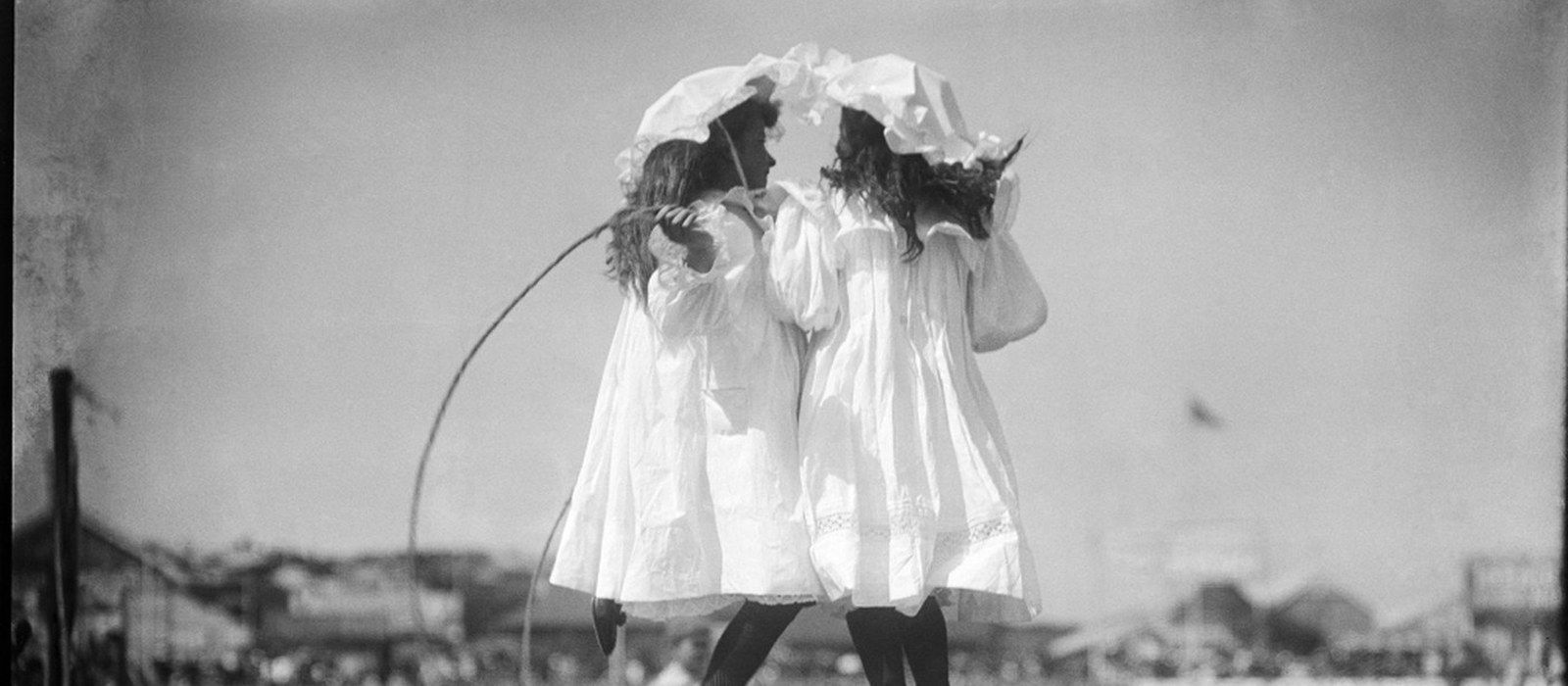
Most lessons live in language. Definitions, examples, explanations, questions. Necessary work.
Aperture works at a different register. The right image lets learners feel the territory of a concept before they have language for it. They access what the concept means to them, then bring it to the words. The lesson lands somewhere words alone don't reach.
For 4MAT practitioners: the image lives in Q2.
Three moments in a lesson.

Open before the definitions arrive.
"Pick an image of how you've encountered this concept before."
Most lessons start with a definition or a leading question. Neither activates what learners already half-know but haven't named. An image at the start gives them a way in through experience, not vocabulary. The lesson begins on ground they can already stand on.
Let them feel it before they name it.
"Find an image of what represents this concept for you."
Some concepts don't survive being explained first. The image lets a learner sit with what a concept means to them before the textbook tells them what it means. The definition lands on something they already know but didn't have words for yet.


Carry it past the lesson.
"Pick an image of where this concept lives outside this lesson."
The hardest part of a lesson is what happens after it. Whether the concept survives leaving the classroom. An image at the close, where the concept lives outside the lesson, does what summary slides can't. They take it with them as theirs, not as something the teacher said.
Two ways the deck enters a lesson. Pick the one that fits your moment, or run both in the same class.
Conscious pick from a visible deck.
Learners browse the deck and pick what resonates. The conscious choice is part of the learning. Default for opening rounds and most reflective moments.
Random draw, image revealed.
A brief shuffle, a face-down pile, a tap to reveal. Random selection bypasses what learners think they should pick. Default for the harder concepts.
Three lectures couldn't land the concept the way one image did.
· An educator, paraphrased