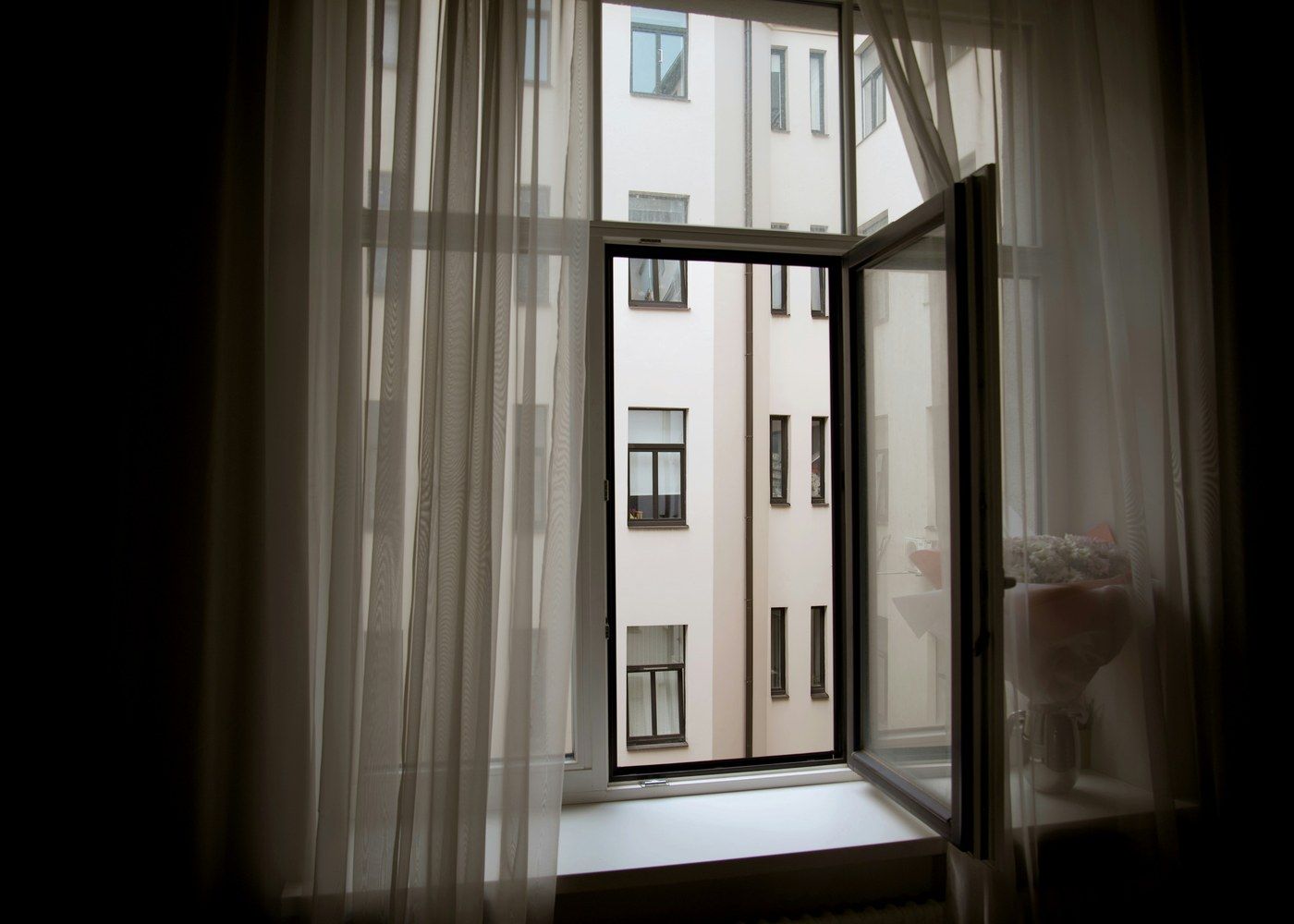
Choosing an image deck.
Several image decks are worth your money. They were built for different work, and the right one depends on yours.
The Aperture facilitation deck, from Bricolas and curated by John Weng, is a digital deck of 190 wordless, research-curated images for facilitators and coaches. Points of You and CCL's Visual Explorer are physical decks; CCS and metaFox are digital. What sets Aperture apart is the published curation, the wordless images, and one flat price for any number of participants.
What follows is an honest map, including where another deck fits better. Coaching one to one, with a printed prompt to work from? Points of You. Want a deck you can hold? Visual Explorer. This page is for facilitators choosing with clear eyes.
01The decks, side by side.
| Aperture | CCS / Communicarda | Points of You | Visual Explorer | metaFox | |
|---|---|---|---|---|---|
| The cards | 190 curated images, growing. Ready-made sets, or build your own | Fixed packs: photos, words, graphics | Fixed sets of 65, 33, 99 | 216 images: photographs and art | Stock packs (~52) |
| Words on the card | None, by design | Yes | Yes, one on every card | None | None |
| Joining a session | A link. No app, ~10 seconds | Download an app | Physical, in the room | Physical, in the room | A link |
| Group size | 8 to 500+, one flat price | Any size, billed per head | In the room | In the room | Any size |
| Price | Free, then ~$10/mo for any number of participants | Packs + ~$0.90 per participant, each session | $198 a deck, plus certifications | ~$340 for a set, once | €20 to €40 a month |
| What it publishes | Research on the actual images | Nothing public | A general theory page | A companion facilitation guide | Nothing public |
Every figure is from each maker's own current page or guide.
There is no best image deck, only the one built for your work.
02Simple, on purpose.
Aperture is plain by design. The decks that came before were either costly and complicated to buy, or printed a word on every card. Aperture is the plain alternative.
03What's underneath.
Simple on the surface; serious underneath. The images are not stock or clip-art. Each is chosen against a published five-part curation standard from the projective tradition (Murray's TAT, Ullman) and group-relations practice. The standard and the research are public, at /curation. Most decks keep their selection private, or cite a general claim that images work. Aperture publishes the research on these images. Not a theory about pictures, the actual ones in the deck.
 Two Men Contemplating the Moon
 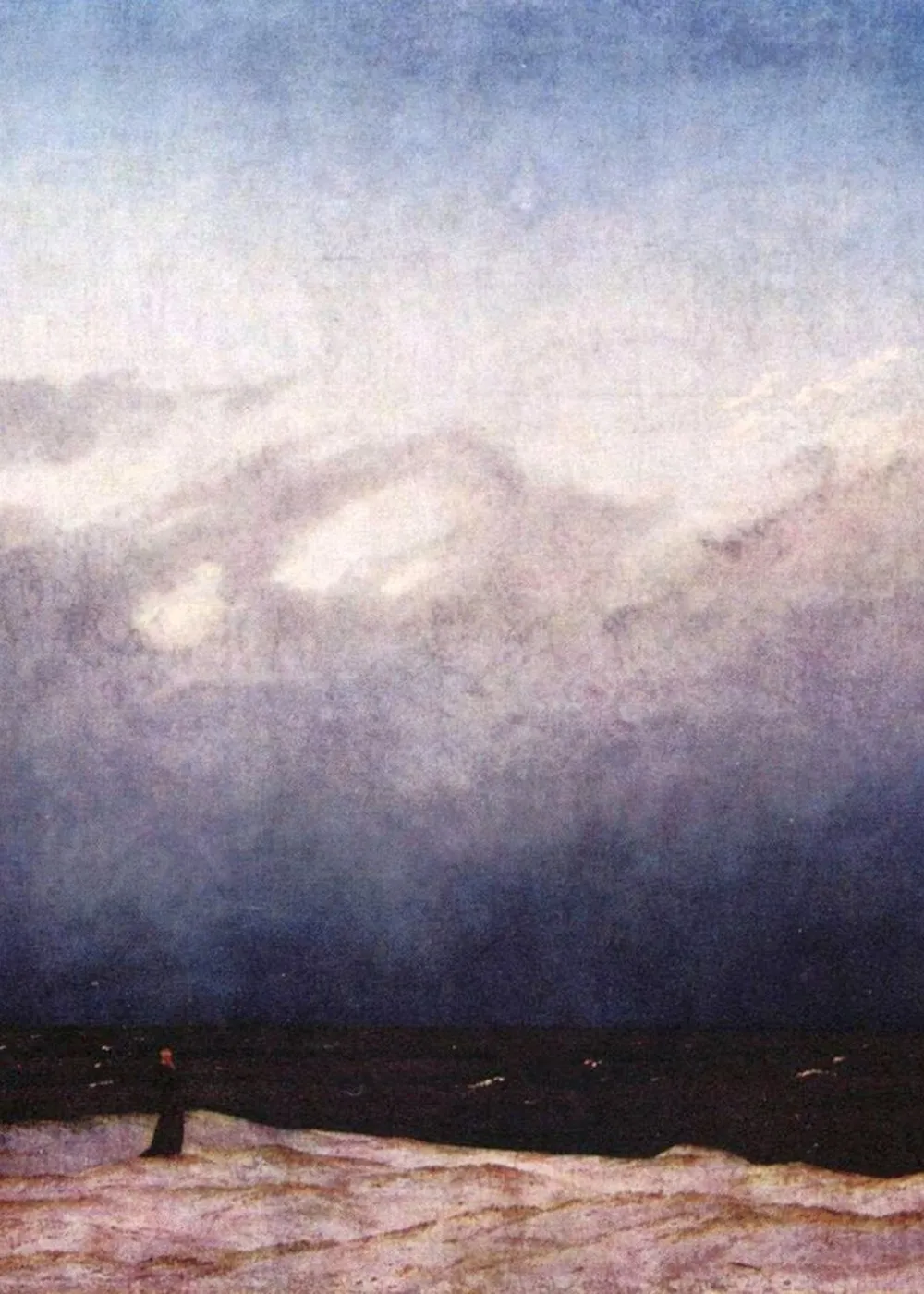 Monk by the Sea
 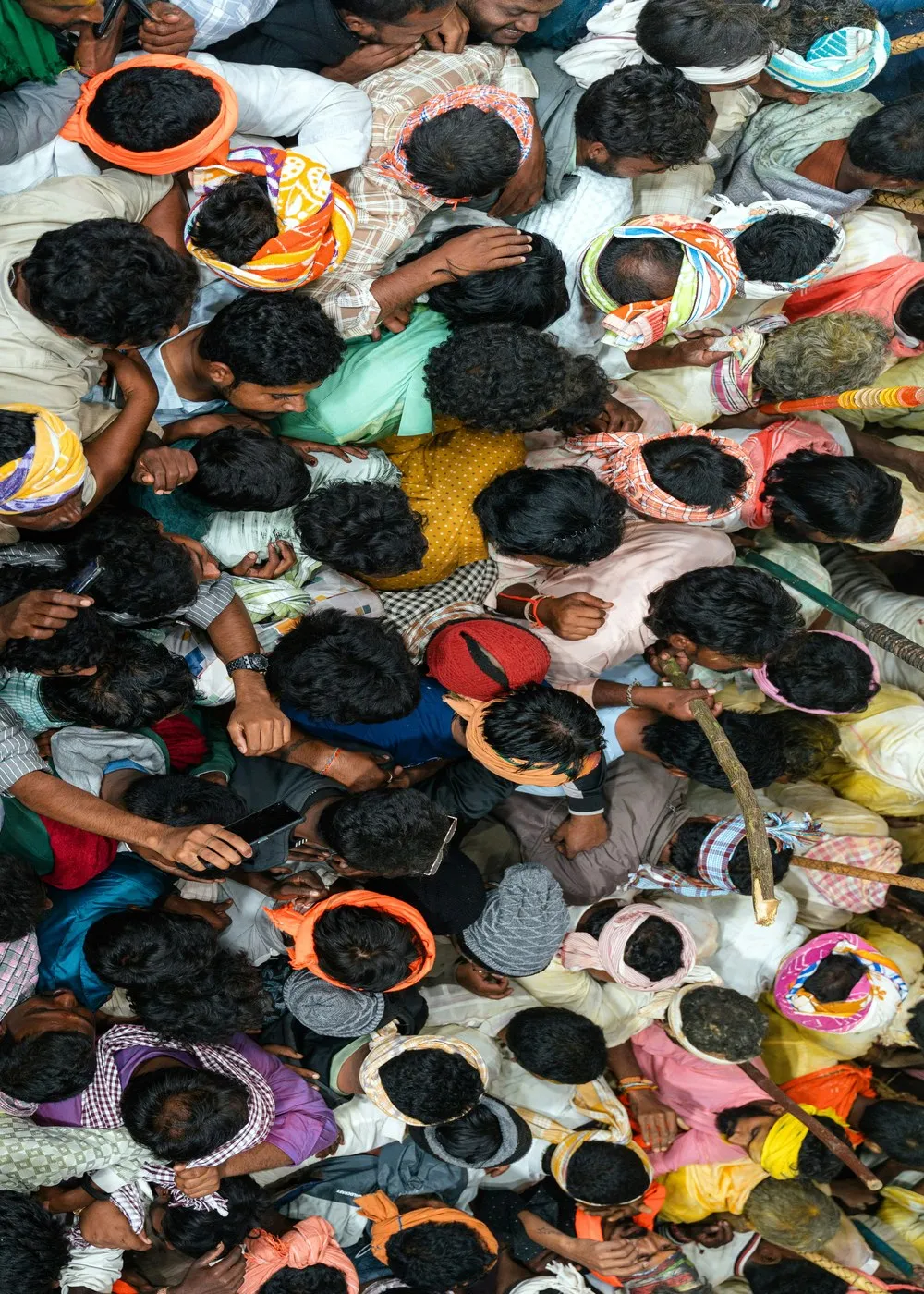 Crowd Seen from Above
  Arashiyama Bamboo Grove
 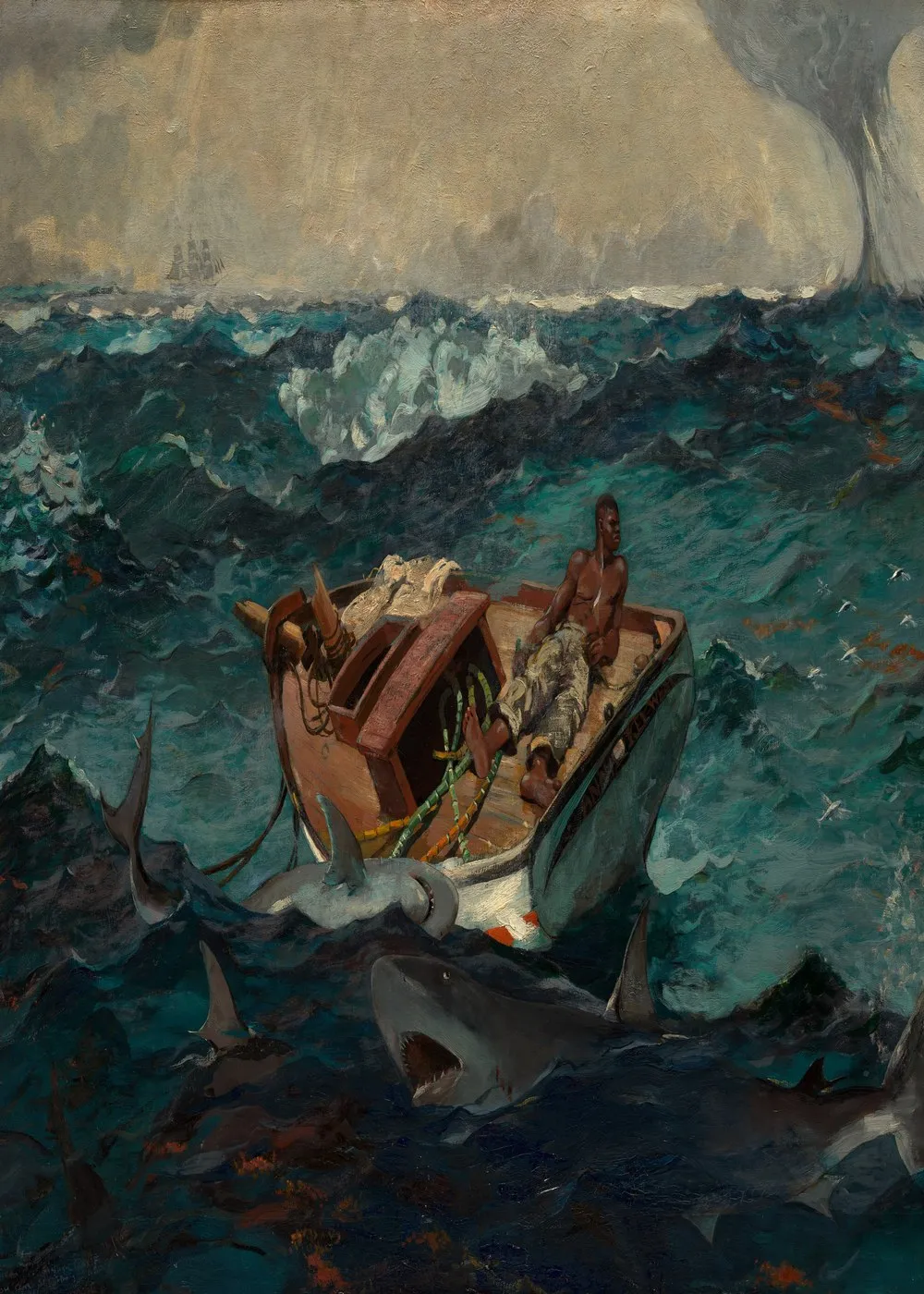 The Gulf Stream
 That research is also why scale is a feature, not a surcharge. A physical deck stops at the table. Digital decks scale, but most charge by the head; CCS sells a pass for every participant who joins. Aperture runs the same session for eight people or five hundred, at one flat price.
04Two moves built in.
Two things the deck does that a printed pack can't.
The draw. Face Down deals a shuffled pile face-down; a participant draws and reveals, and the choice lands before the second-guessing does. It is the oldest move in projective work. Murray dealt his cards at random; here it is native. Experience it →
The group meets itself. In debrief, every pick gathers on one screen. The room sees what it chose as a whole, not one reflection at a time, but the shape of the group. See the debrief view →
05When another deck fits better.
No deck is right for everyone.
Aperture is the work of John Weng, a leadership-development practitioner more than a decade in. The covenant is published. The deck is research-validated. The practice came first.